
The Future of Education: AI-Powered Learning Tools
- Mr. Nimi Team

- Oct 25, 2025
- 3 min read
Education is evolving fast. Every day, new technologies reshape how children learn and grow. Among these, artificial intelligence (AI) stands out as a game-changer. It promises to make learning more personalized, engaging, and effective. I’m excited to share how AI is transforming education and what it means for young learners.
How AI in Education is Changing the Game
AI is no longer just a buzzword. It’s becoming a powerful tool in classrooms and homes. Imagine a learning companion that understands each child’s strengths and challenges. AI can do that. It adapts lessons to fit individual needs, making learning feel natural and fun.
For example, AI can analyze a child’s learning type and progress in real-time. If a student or child struggles with math, the system can offer extra practice or explain concepts differently. This personalized approach helps children build confidence and stay motivated.
Teachers also benefit. AI handles routine tasks like grading and tracking progress. This frees up time for educators to focus on what matters most - inspiring and supporting their students.

The Benefits of AI in Education for Young Learners
The advantages of AI in education are clear and exciting. Here are some key benefits:
Personalized Learning: AI tailors to each child’s pace and style.
Engagement: Interactive tools keep children interested and curious.
Accessibility: AI can support learners with different abilities and backgrounds.
Feedback: AI can act as a mentor, empowering and guiding students, fostering their creativity and helping them improve.
Support for Educators: Teachers receive valuable insights and save time on administrative work.
These benefits and many others combine to create a learning environment where children feel empowered supported and encouraged. It’s a future where every child can thrive.
What are Grade-tuned, AI-powered learning systems?
AI-powered learning systems are smart platforms designed to enhance education. They use algorithms that take into account the child grade-level and learning interests. These systems can:
Track progress and identify areas needing improvement.
Provide customized exercises and challenges.
Offer hints and explanations when a child is stuck.
Adjust difficulty levels dynamically to keep learners challenged but not overwhelmed.
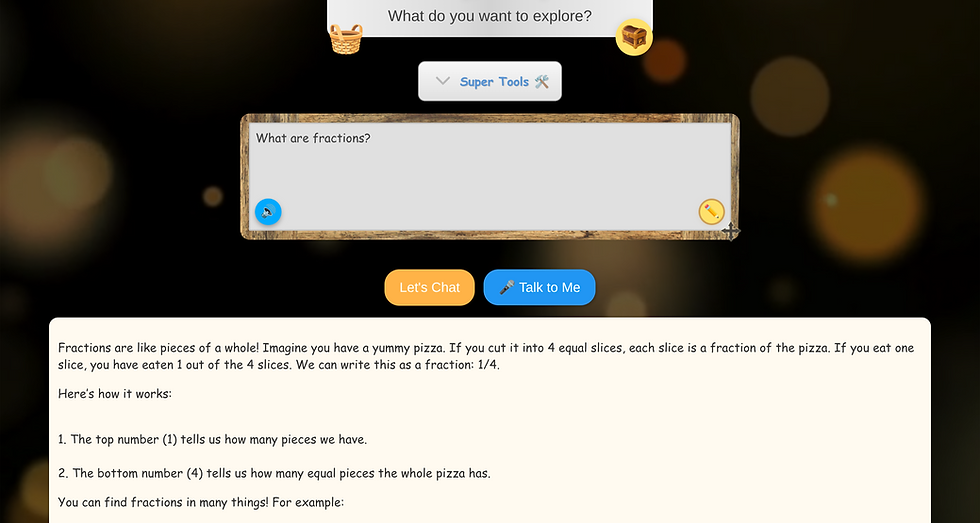
One great example is ai-powered learning tools that act as personalized companions. These tools create a safe and engaging space for children aged 6-12 to explore new concepts and build skills. They also support parents and educators by providing clear reports and suggestions.


Practical Tips for Integrating AI in Your Child’s Learning
If you’re wondering how to bring AI into your child’s education, here are some practical steps:
Explore Trusted Platforms: Look for AI learning tools designed specifically for children. Safety and privacy are top priorities.
Set Clear Goals: Define what skills or subjects you want to focus on - STEAM? Coding?
Encourage Regular Use: Consistency helps children get the most from AI tools.
Combine with Traditional Learning: Use AI as a supplement, not a replacement, for hands-on activities and reading.
Stay Involved: Monitor progress and celebrate achievements together.
By following these tips, you can create a balanced and effective learning routine that leverages the best of AI technology.
Looking Ahead: The Bright Future of AI in Education
The future of education is bright with AI. As technology advances, learning will become even more personalized and accessible. Children will have companions that understand their unique needs and help them grow with confidence.
Platforms like Mr. Nimi are leading the way. They aim to revolutionize learning by making it safe, engaging, and supportive for children aged 6-12. This means more joyful learning experiences and stronger partnerships between parents, educators, and technology.
I’m optimistic about what lies ahead. AI-powered learning tools are not just a trend - they are the future of education. Together, we can embrace this change and help every child reach their full potential.



Comments